When 3-Axis Isn’t Enough: Multi-Axis Milling
Program 3-, 4-, and full simultaneous 5-axis toolpaths with precise tool-axis control.
Cut Complex Parts With Confidence
What Multi-Axis Control Actually Delivers
Multi-axis machining allows the tool to approach the part from multiple angles in a single setup, reducing repositioning and improving consistency. Toolpaths are generated based on your machine’s kinematics, ensuring programmed motion translates correctly to real machine movement.
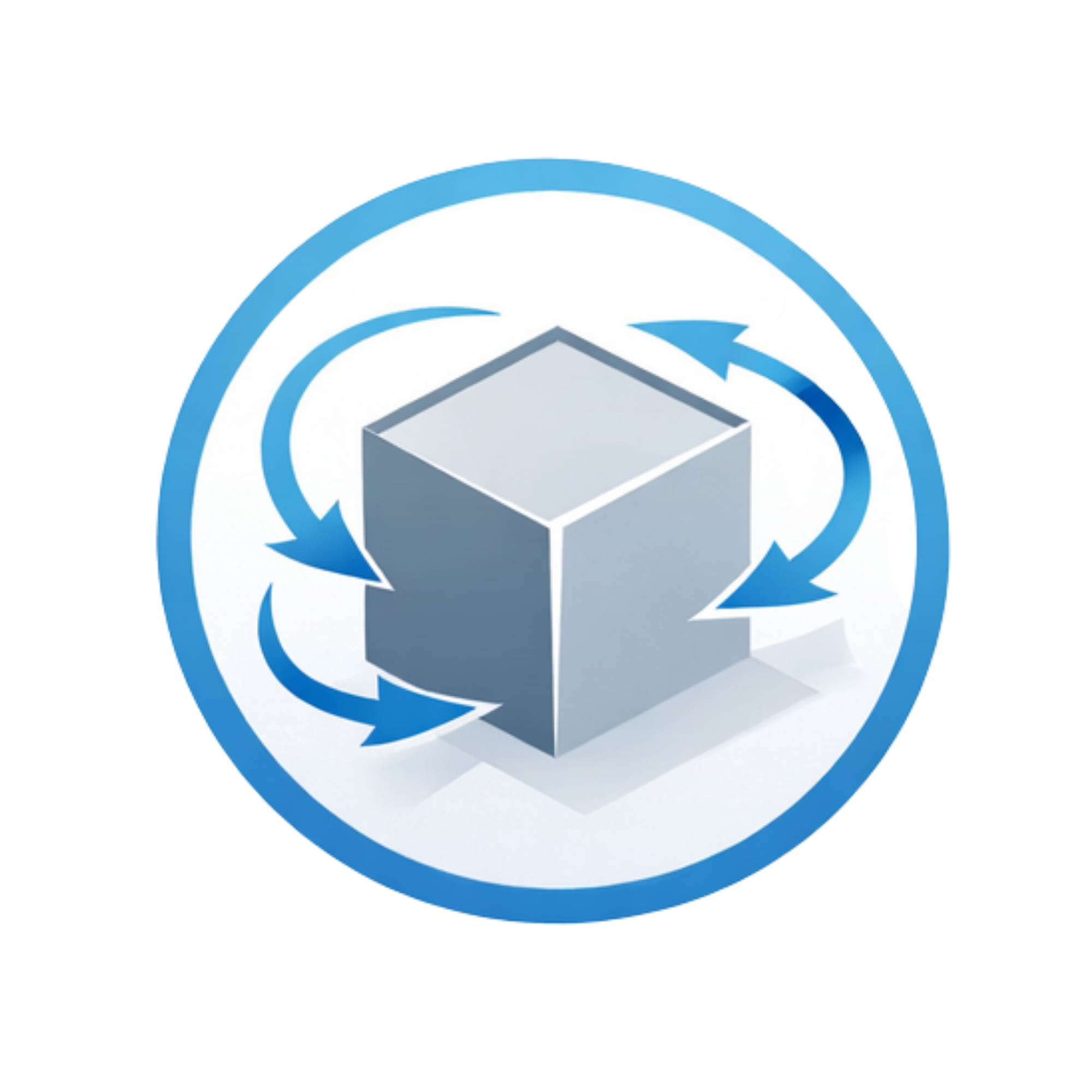
Single-Setup Part Completion
Access multiple sides of the part in a single setup, reducing repositioning and improving consistency.
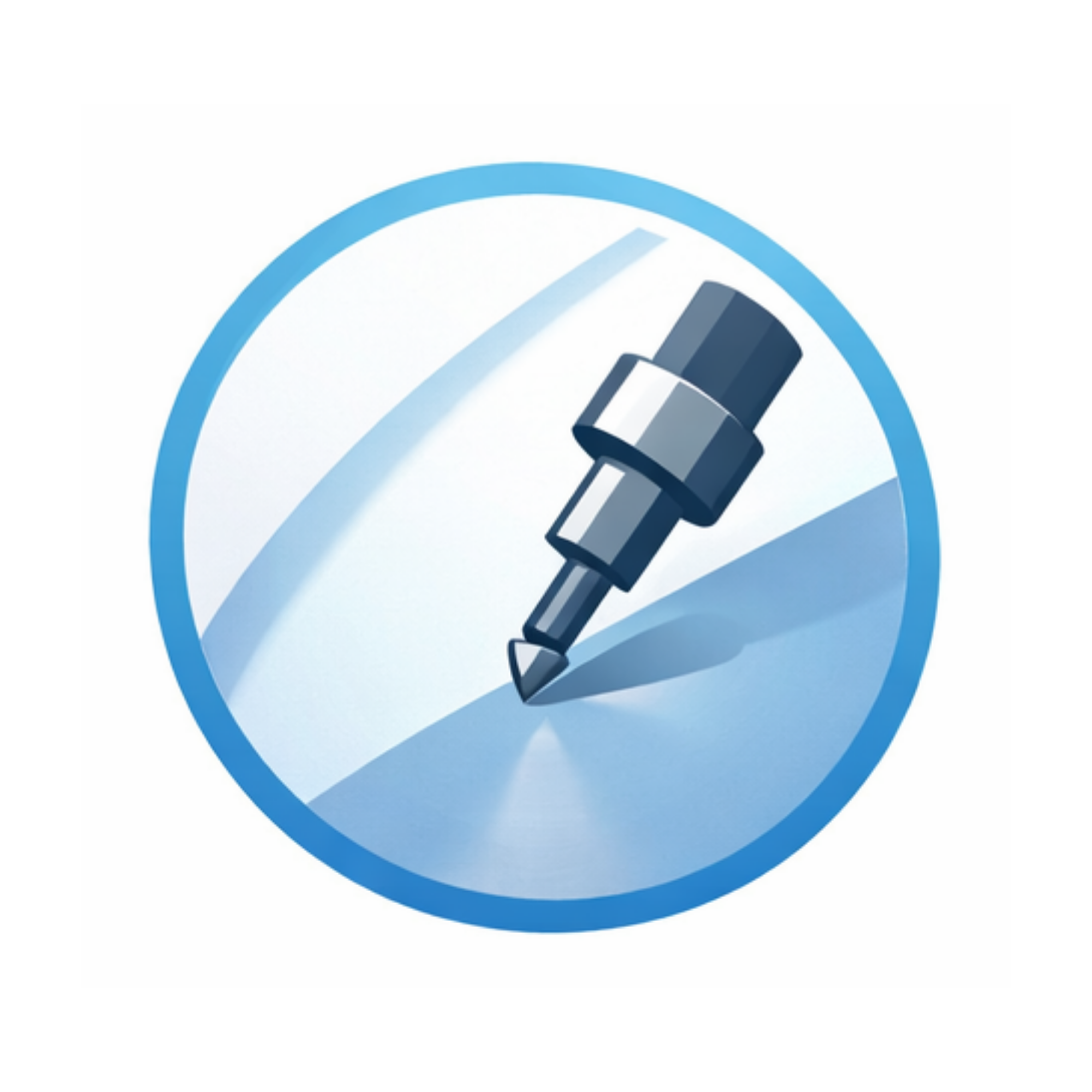
Complex Surface Machining
Machine contoured & freeform surfaces using simultaneous motion beyond the limits of traditional 3-axis machining.
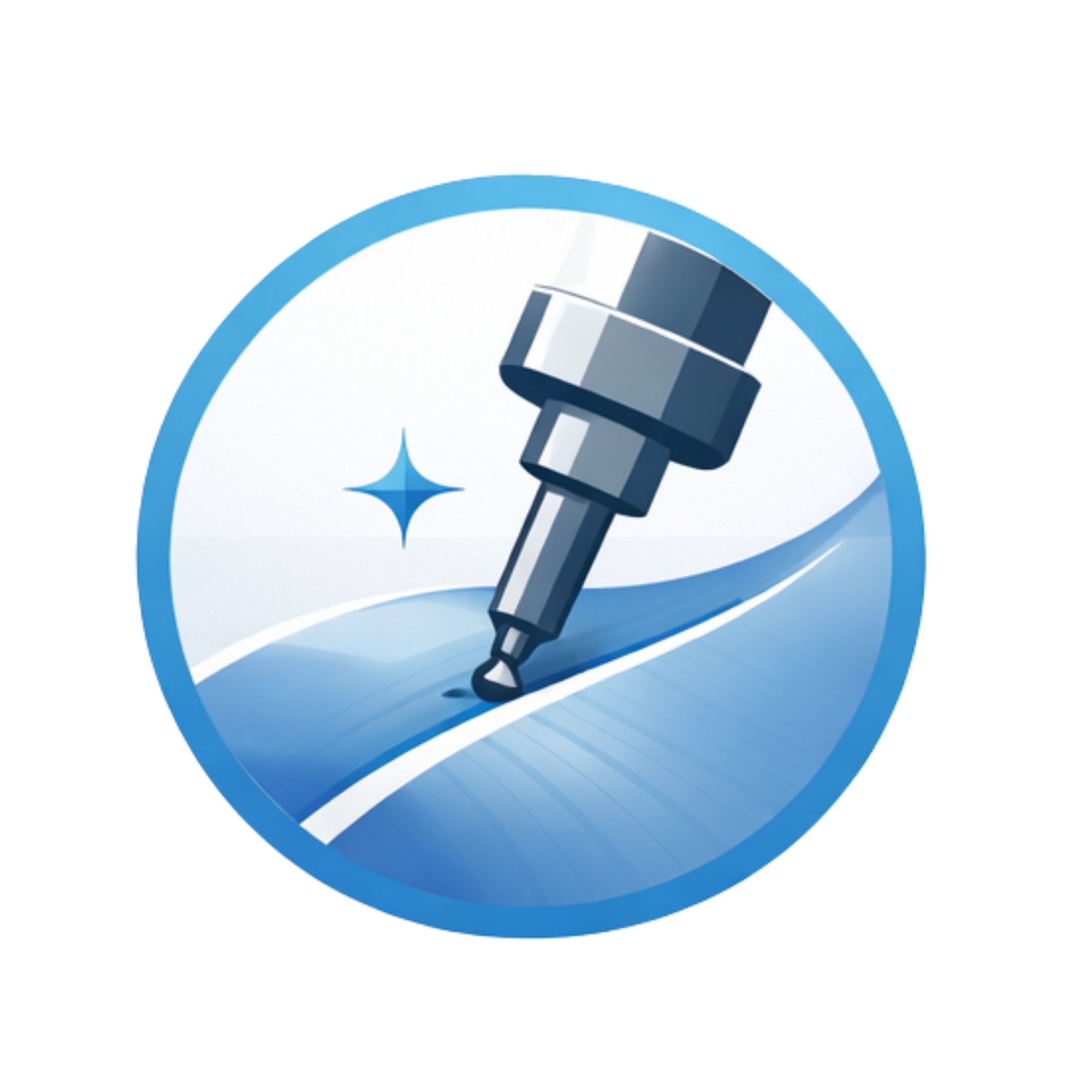
Deep Cavities & Hard-to-Reach Areas
Tilt the tool to maintain proper engagement in tight spaces without relying on long, unstable tools.
High-Accuracy Finishing
Maintain consistent tool contact to achieve tighter tolerances and improved surface finish.
When Does Multi-Axis Make Sense?
Gain flexibility with indexed 3+2, rotary 4-axis, and full simultaneous 5-axis toolpaths for advanced machining work.
Rotate the part into position using indexed (3+2) motion, then machine with standard toolpaths for improved access and shorter tooling.
Best For:
Shops looking to reduce setups without full simultaneous motion.
Use continuous rotary motion to machine features around a part without repositioning or manual indexing, improving consistency and accuracy.
Best For:
Cylindrical components and parts requiring continuous rotary machining.
Continuously control tool orientation and motion to maintain surface contact and manage collisions during complex cuts.
Best For:
Impellers, molds, aerospace, and complex contoured surfaces.
Specialized Machining Strategies
Dedicated Multi-Axis Modules for Complex Geometry
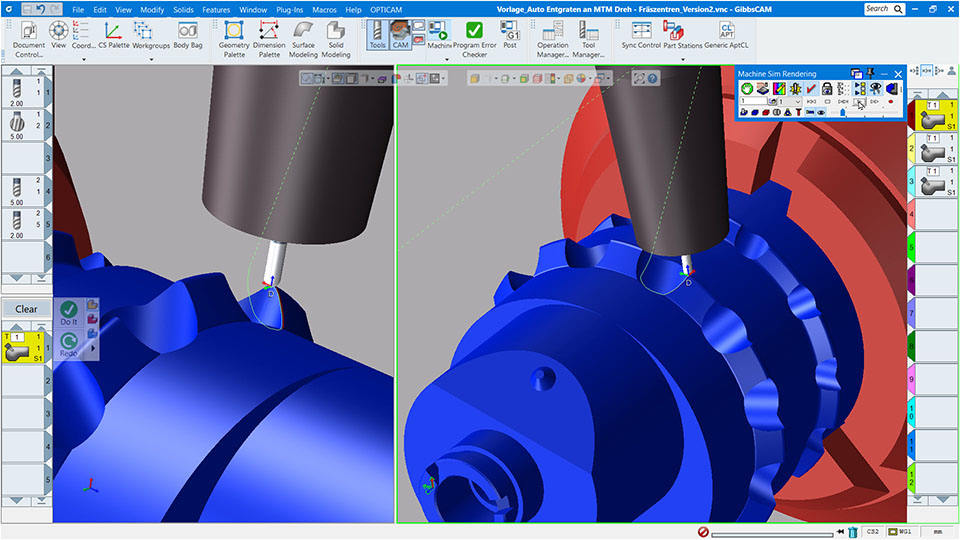
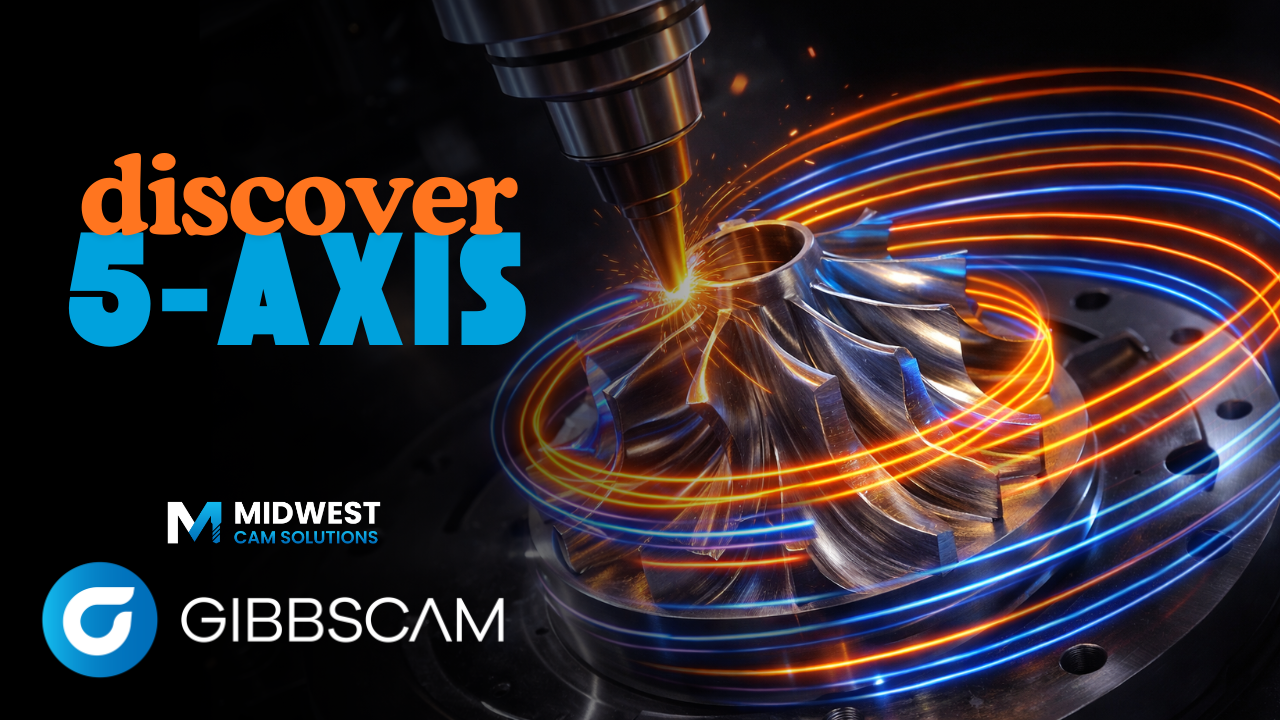
Full Simultaneous 5-Axis Milling
Program 3-, 4-, and simultaneous 5-axis toolpaths directly from surfaces or solids while maintaining precise tool-axis control across complex geometry.
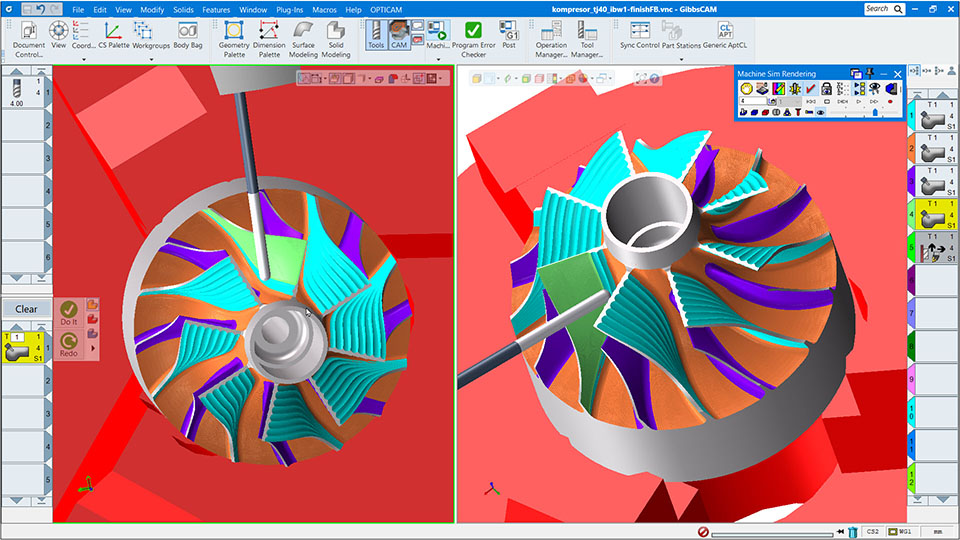
5-Axis MultiBlade
MultiBlade provides specialized strategies for turbomachinery parts with repeated blade surfaces, such as blisks and impellers, with toolpaths optimized for blade, hub, and splitter features.
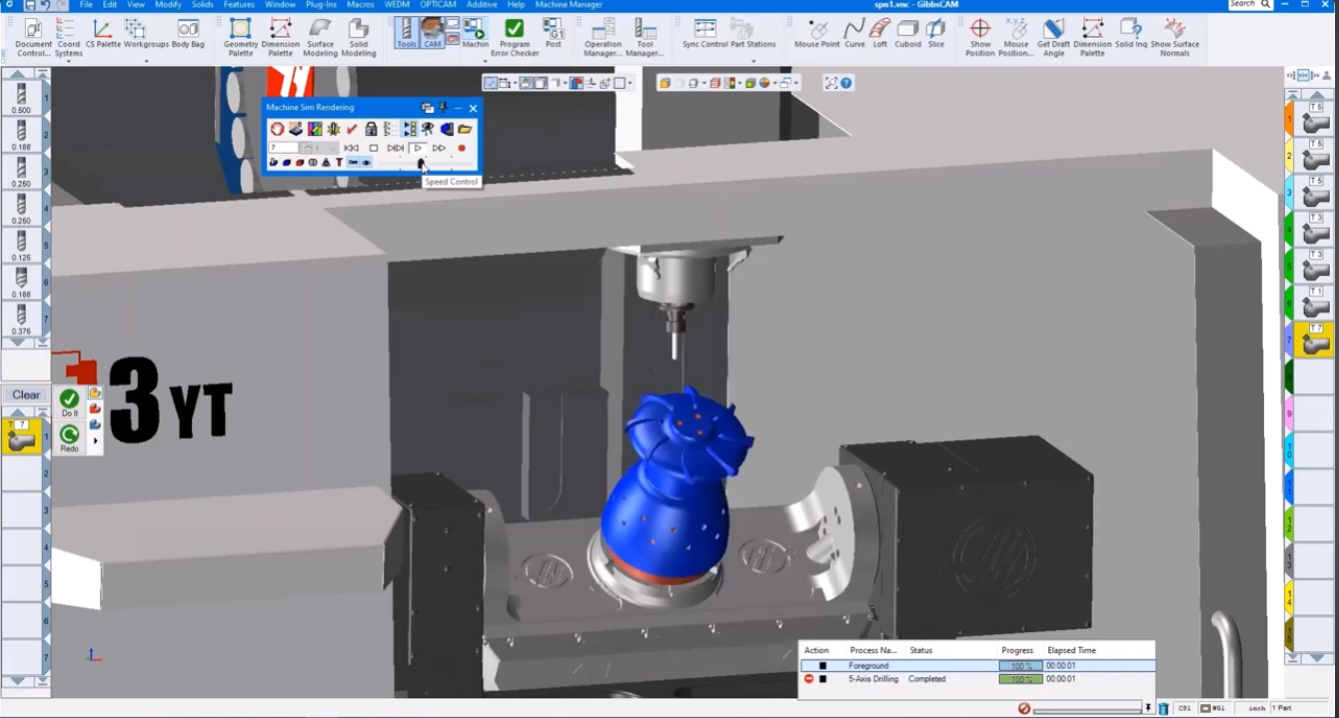
5-Axis Porting
Porting is optimized for machining tubular openings such as engine ports, manifolds, and throttle bodies where internal geometry changes in shape and curvature along the part.
Complete CNC Programming Capabilities
Milling
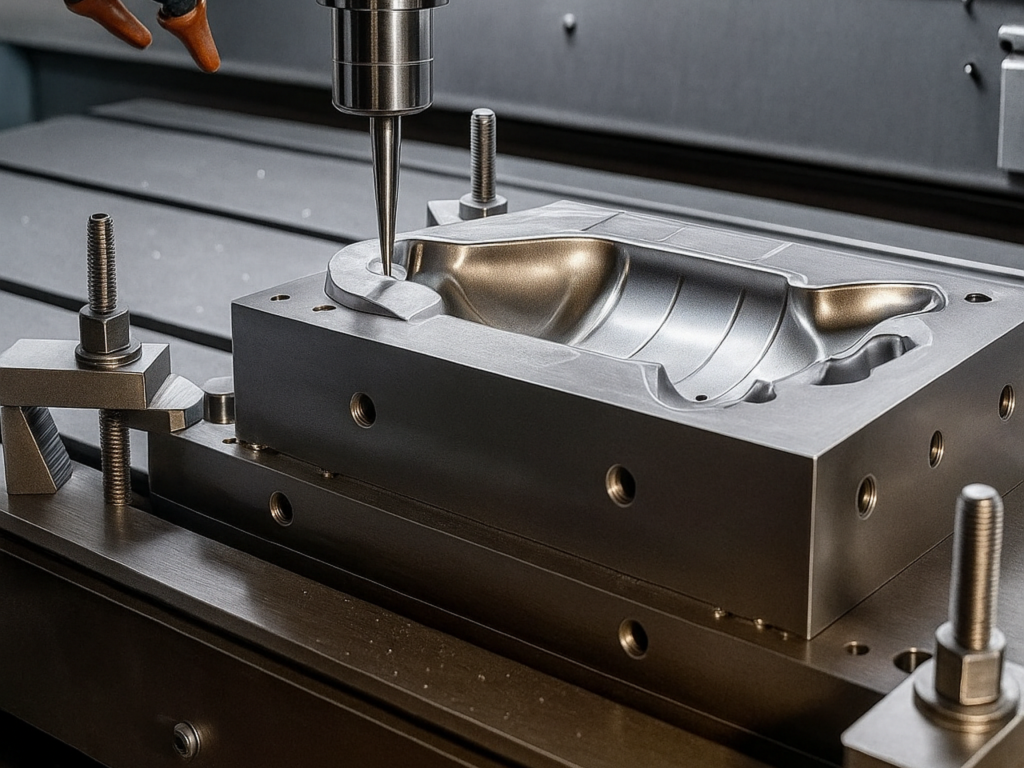
CNC milling programming for precision parts and production workflows.
Turning
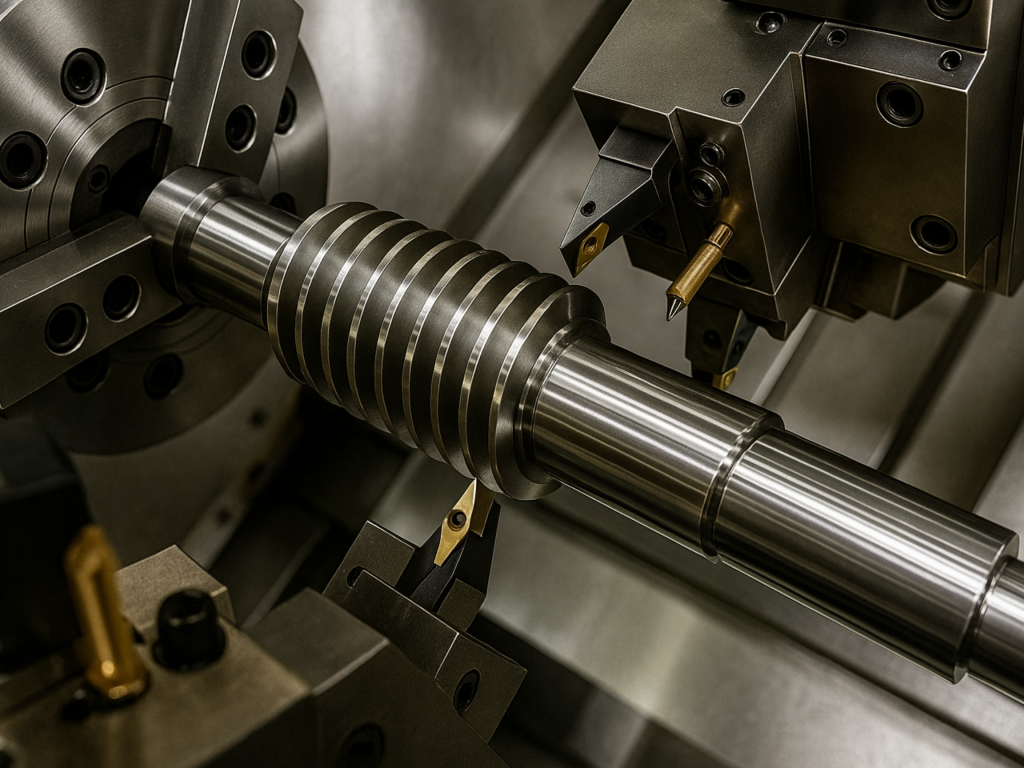
Turning support for CNC lathes and mill-turn machines in production environments.
MTM/Swiss
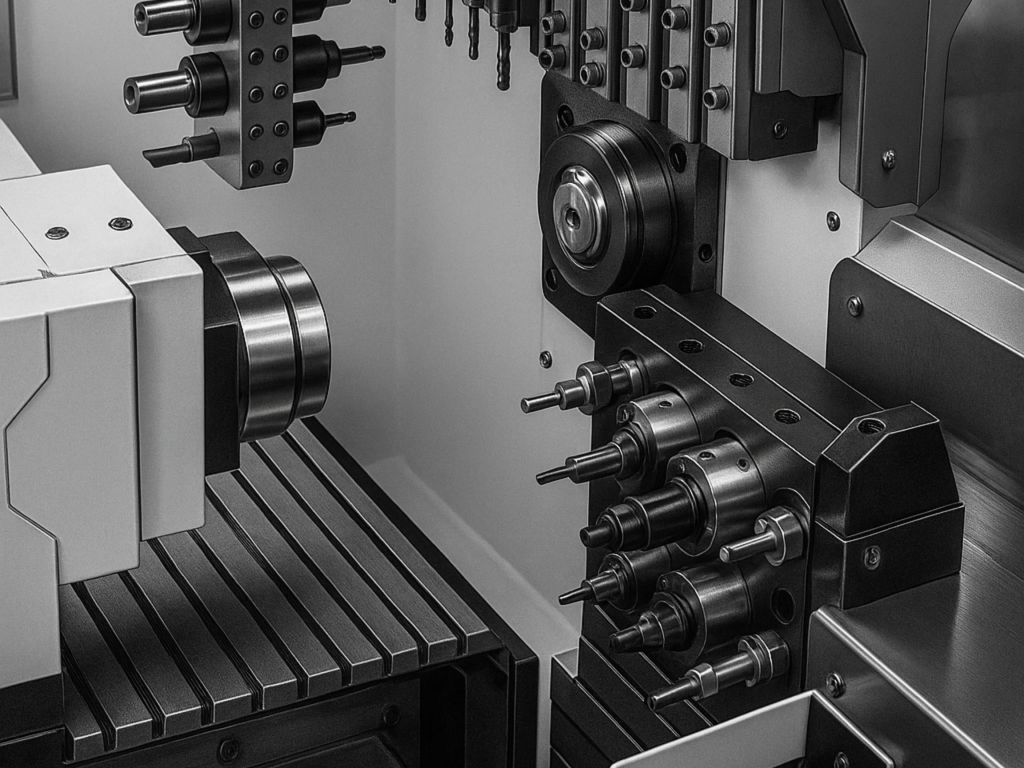
Advanced multi-task and Swiss machining with synchronized spindle control.
Probing
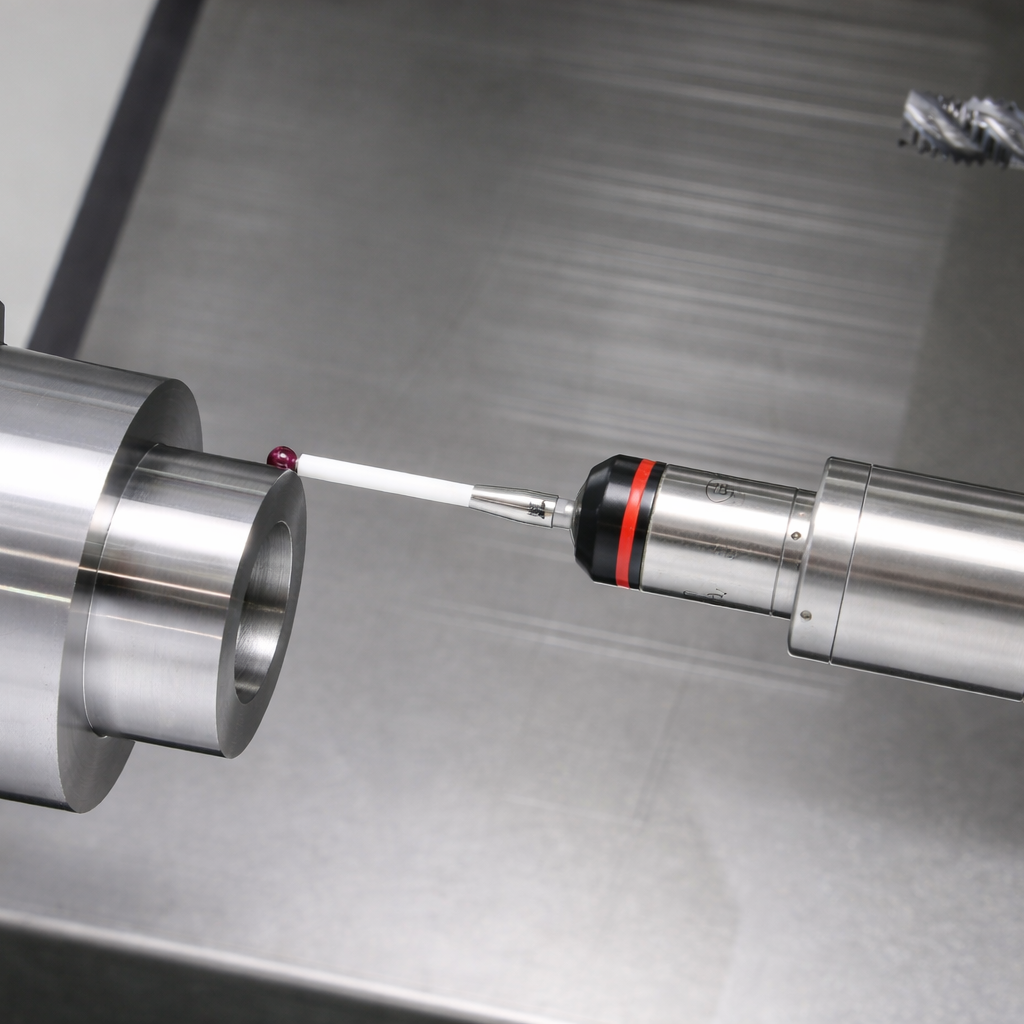
Integrated probing cycles for setup verification and in-process inspection.
Wire EDM
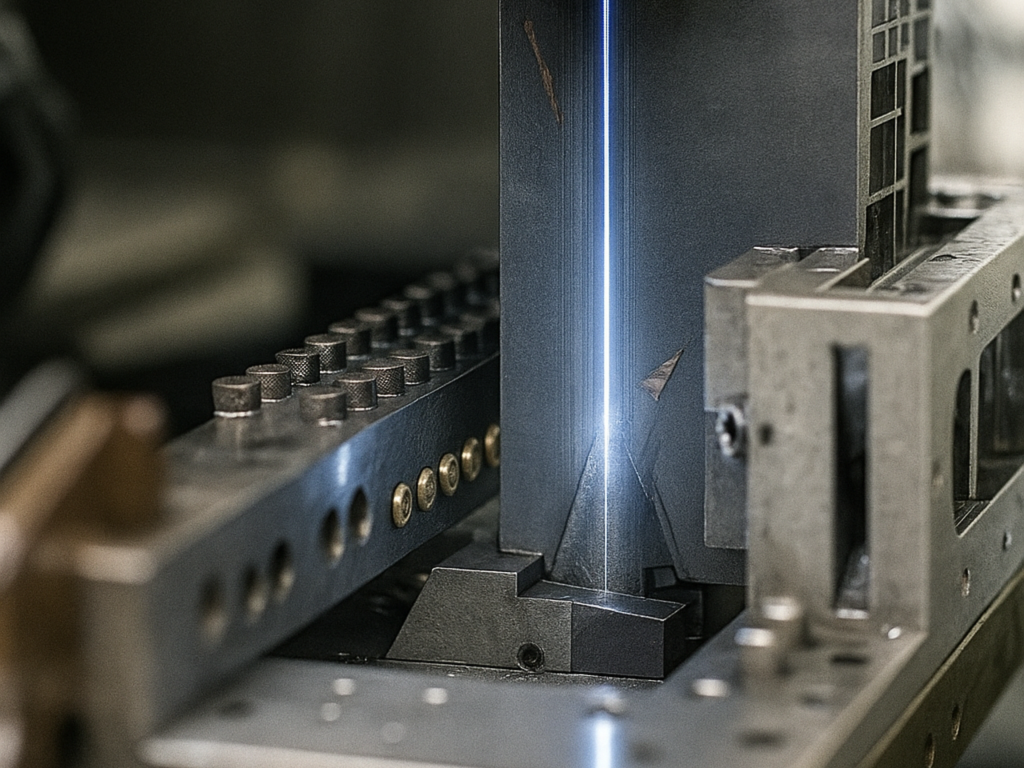
2-axis and 4-axis wire EDM programming for precision contour cutting.
Third Party Automation
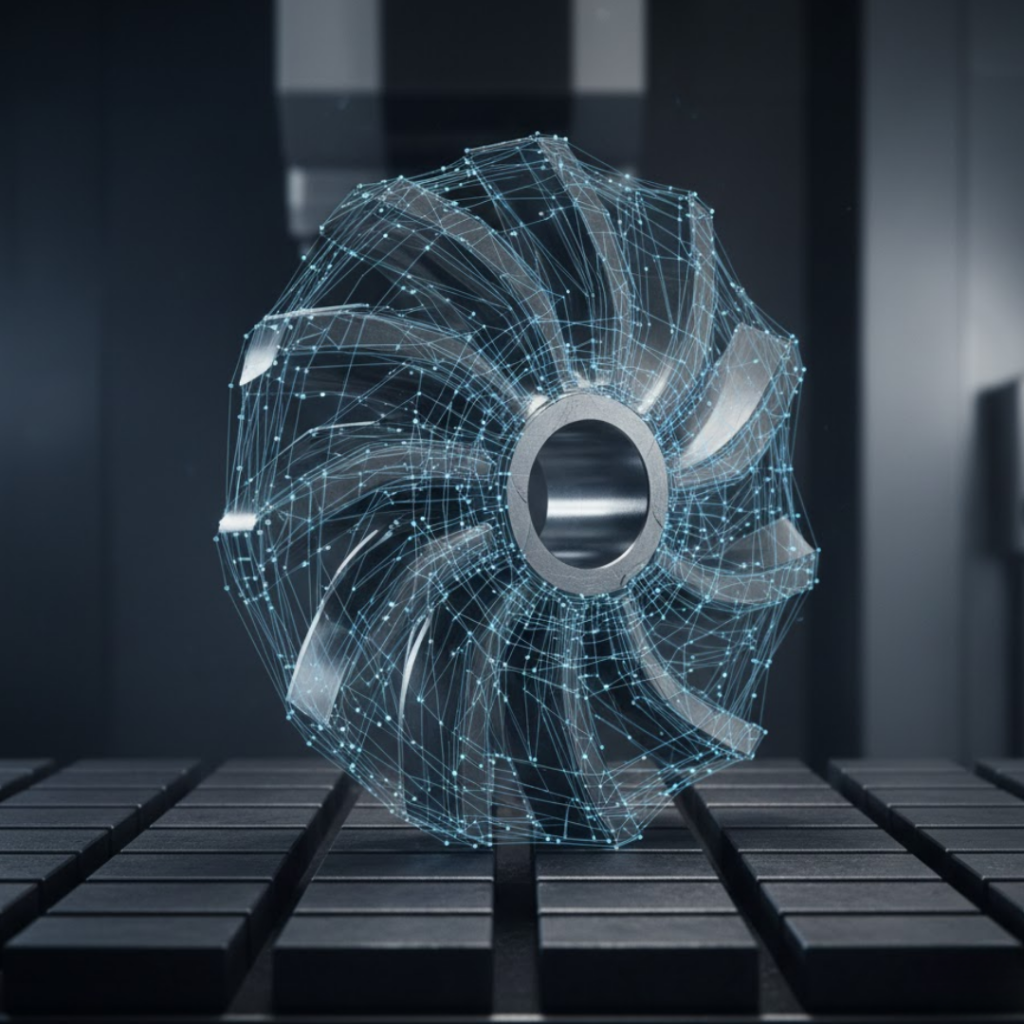
Integrated third-party solutions for verification, automation, and workflow optimization.
Ready to Configure your Setup?
We’ll help you evaluate your machines, parts, and workflows to determine the right GibbsCAM configuration from the start. With Midwest CAM Solutions, you receive: